Dartchery
Long before dartchery appeared on the Paralympic stage, it began at Chaseley as a simple idea. Residents wanted a way to play darts against local pubs and clubs. Archery provided the answer.
In the late 1940s, ex-servicemen with spinal injuries who lived at Chaseley were practising archery at St Andrew’s school sports field in Eastbourne. By combining archery with the scoring system of darts, they created a new game, first called archerydarts, later shortened to dartchery.
Athletes shot arrows at a large dartboard-style target, starting from 301 and aiming to reach exactly zero. Wheelchair archers competed directly against non-disabled darts players, shooting from around 30 feet away at a target three times the size of a standard board.
Dartchery soon became part of the Stoke Mandeville Games, founded by Dr Ludwig Guttmann, Chaseley’s first Medical Director. Those Games would later evolve into the Paralympic movement. Dartchery appeared in 1949, became a full competitive sport by 1954, and in 1952 the Chaseley team won a shield at the International Spinal Sports Festival.
What began as a pub darts solution in Eastbourne reached the world stage. Dartchery featured in every Summer Paralympic Games from 1960 to 1980, with British athletes winning medals, including gold at Heidelberg in 1972.
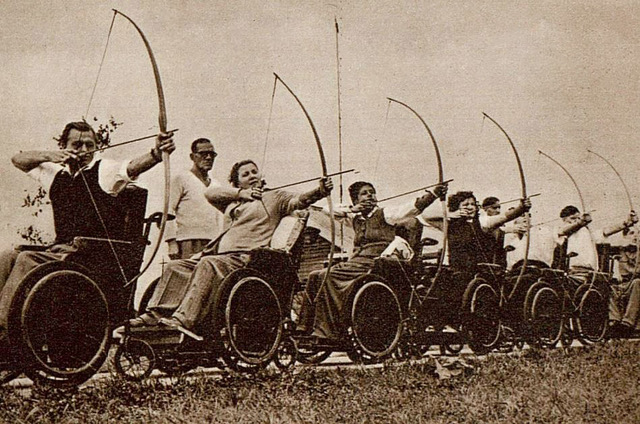
Archers-at-Stoke-Mandeville
Archers at Stoke Mandeville
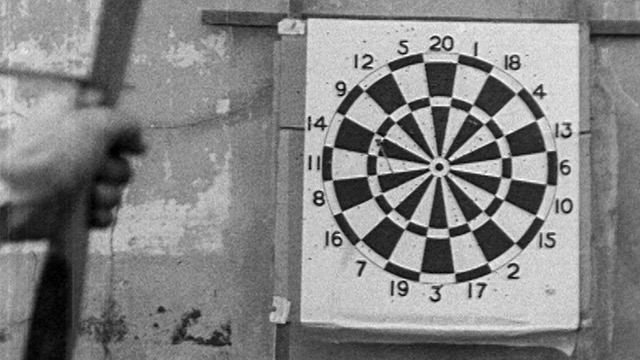
Dartchery Board
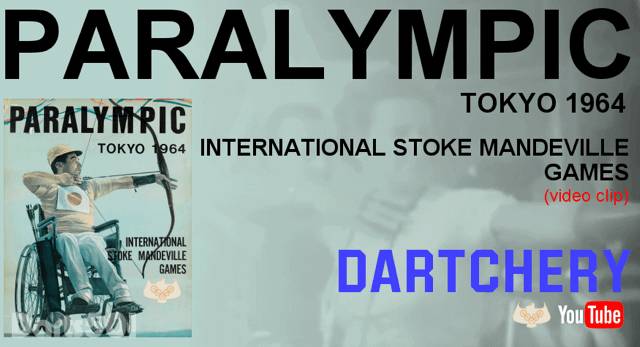
1964-Paralympics-Poster
1964 Paralympics Poster